Post Author:
Browne Mortgage Team
Categories:
Date Posted:
February 6, 2026
Share This:
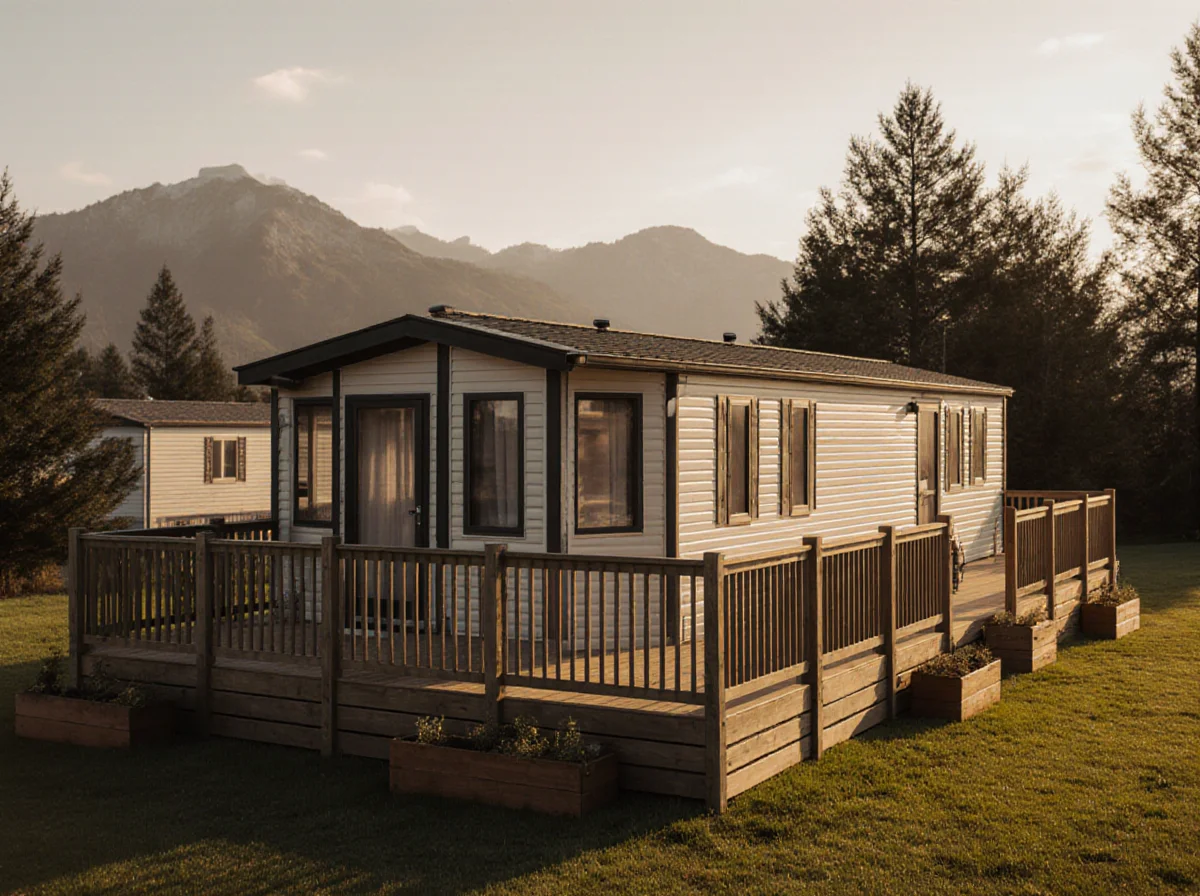
Mission has a notable manufactured and mobile home presence, with several established parks and individual properties on private land throughout the district. For buyers seeking the most affordable path to homeownership in the Fraser Valley, manufactured homes can deliver a three-bedroom home for a fraction of what a conventional house costs. The financing, however, follows different rules depending on the home’s certification, whether it sits on owned or leased land, and its age and condition.
The Critical Distinction: CSA Certification
The single most important factor in financing a manufactured home is its CSA (Canadian Standards Association) certification. Homes built to CSA-Z240 standards are recognized as permanent dwellings and qualify for mortgage financing similar to conventional homes. Homes without CSA certification face severely limited lending options.
Look for the CSA label, typically found on the electrical panel or on a metal plate attached to the exterior. If the label is missing or illegible, some certification verification services can confirm the home’s status through serial number research.
Homes built before CSA standards were widely adopted (generally pre-1970s) rarely qualify for conventional mortgage financing regardless of their current condition.
Owned Land vs. Leased Pad
This distinction fundamentally changes your financing options.
Manufactured Home on Owned Land
When you own both the home and the land beneath it, financing works similarly to a conventional home purchase. The property is treated as real estate, with the home permanently affixed to a foundation on land you hold title to.
Most conventional lenders will finance this arrangement if the home is CSA-certified, on a permanent foundation, and connected to standard utilities. Down payment minimums and qualification rules mirror standard residential mortgages.
Mission has manufactured homes on private land in rural areas like Silverdale, Stave Falls, and along the Dewdney corridor. These properties can offer significant land with an affordable home, though lender comfort varies with the property’s characteristics.
Manufactured Home on Leased Land (Pad Rent)
In mobile home parks, you own the home but lease the land (pad) beneath it. This arrangement limits financing options significantly. Most conventional mortgage lenders won’t finance homes on leased land because they can’t secure a mortgage against property you don’t own.
Financing options for homes on leased pads include chattel loans (personal property loans rather than mortgages), credit union programs specifically designed for manufactured housing, and some B-lender and private lending options.
Chattel loans typically carry higher interest rates (7% to 10%) and shorter terms (10 to 20 years) than conventional mortgages. Down payment requirements range from 10% to 20% of the home’s value.
Pad Rent Impacts
Monthly pad rent in Mission’s mobile home parks typically ranges from $600 to $900. This cost is included in your housing expenses when lenders calculate debt service ratios, directly reducing how much you can borrow for the home itself.
Pad rent also creates ongoing cost exposure: unlike a mortgage payment that eventually ends, pad rent continues indefinitely and can increase. BC’s Manufactured Home Park Tenancy Act provides some protections, but rent increases do occur.
Factor pad rent increases into your long-term budget. A home that’s affordable today may become less so if pad rent rises significantly over the years.
Mission’s Manufactured Home Communities
Mission has several established mobile home parks, primarily along the Lougheed Highway corridor and in areas north of downtown. These communities range from well-maintained parks with community amenities to more basic setups.
When evaluating a park, consider: the pad rent amount and recent increase history, park rules and restrictions (pet policies, renovation limits, age restrictions), the overall condition of the park and neighbouring homes (this affects resale value), proximity to amenities and transit, and the park owner’s reputation and long-term plans.
Ask whether the park has any pending development applications. Some mobile home parks in growing communities face redevelopment pressure, which could eventually displace residents.
Newer Manufactured Homes
Modern manufactured homes bear little resemblance to the mobile homes of decades past. Current CSA-certified homes offer open-concept layouts, energy-efficient construction, modern kitchens and bathrooms, and in some cases, designs nearly indistinguishable from site-built homes.
Newer manufactured homes on owned land often qualify for the same financing as conventional construction. Some lenders have specific programs for manufactured housing that offer competitive rates when the home meets their criteria for permanent installation.
What Lenders Look For
Beyond CSA certification and land ownership, lenders evaluating manufactured home financing typically want to confirm:
Permanent foundation: The home must be on a permanent foundation (concrete piers, crawlspace, or full basement), not on wheels or a temporary setup.
Standard utility connections: Municipal water and sewer, or well and septic that meet current standards and pass inspection.
Reasonable age and condition: Most lenders are cautious about homes older than 20 to 25 years. Condition matters as much as age – a well-maintained 15-year-old home may finance more easily than a neglected 10-year-old one.
Adequate insurance: Manufactured homes must be insurable. Older homes or those in poor condition may face limited insurance options, which in turn limits financing.
First-Time Buyers and Manufactured Homes
For first-time buyers priced out of the conventional market, a CSA-certified manufactured home on owned land can be a viable entry point. First-time buyer programs (FHSA, HBP, BC property transfer tax exemption) generally apply to qualifying manufactured homes.
Homes on leased pads are more complex for first-time buyers due to limited financing and the ongoing pad rent obligation. Run the full cost comparison before committing: the low purchase price may be offset by pad rent, higher interest rates, and limited equity building.
Alternative Financing Paths
When conventional lenders decline, other options exist:
Credit unions: Several BC credit unions have programs specifically for manufactured housing, including homes on leased land. Rates and terms are often better than chattel loans.
B-lenders: Some alternative lenders finance manufactured homes with more flexible criteria than banks, particularly for homes on owned land.
Private lenders: For homes that don’t meet conventional or B-lender criteria, private financing based on property equity may be available. This works best as a short-term solution with a plan to transition to conventional financing.
Getting Expert Guidance
Manufactured home financing requires a broker who understands the specific requirements and knows which lenders serve this market. Not all brokers have experience with manufactured housing, and the wrong lender match wastes time and credit inquiries.
For guidance on manufactured home financing in Mission, contact our team at 604-820-5626. We’ll evaluate your specific situation and connect you with lenders experienced in this property type.