Post Author:
Browne Mortgage Team
Categories:
Date Posted:
February 11, 2026
Share This:
Pre-Construction Is Different
Buying a pre-construction condo or townhouse in the Fraser Valley offers the appeal of a brand-new home, modern finishes, and the ability to customize your space. But the mortgage process for pre-construction is fundamentally different from buying a resale property, and many buyers are surprised by the timeline and requirements.
With resale purchases, you secure a mortgage commitment, close within weeks, and move in within months. With pre-construction, you sign a contract years before the building is complete, and your mortgage approval happens much later in the process.
Understanding this timeline helps you prepare for what lies ahead and avoid the financial surprises that derail many pre-construction buyers.
The Pre-Construction Purchase Timeline
Most pre-construction projects in the Fraser Valley follow a similar pattern. You put down a deposit, typically 15% to 20% of the purchase price, spread over the construction period. This might be structured as 5% at signing, 5% at 6 months, 5% at 12 months, and the balance at completion.
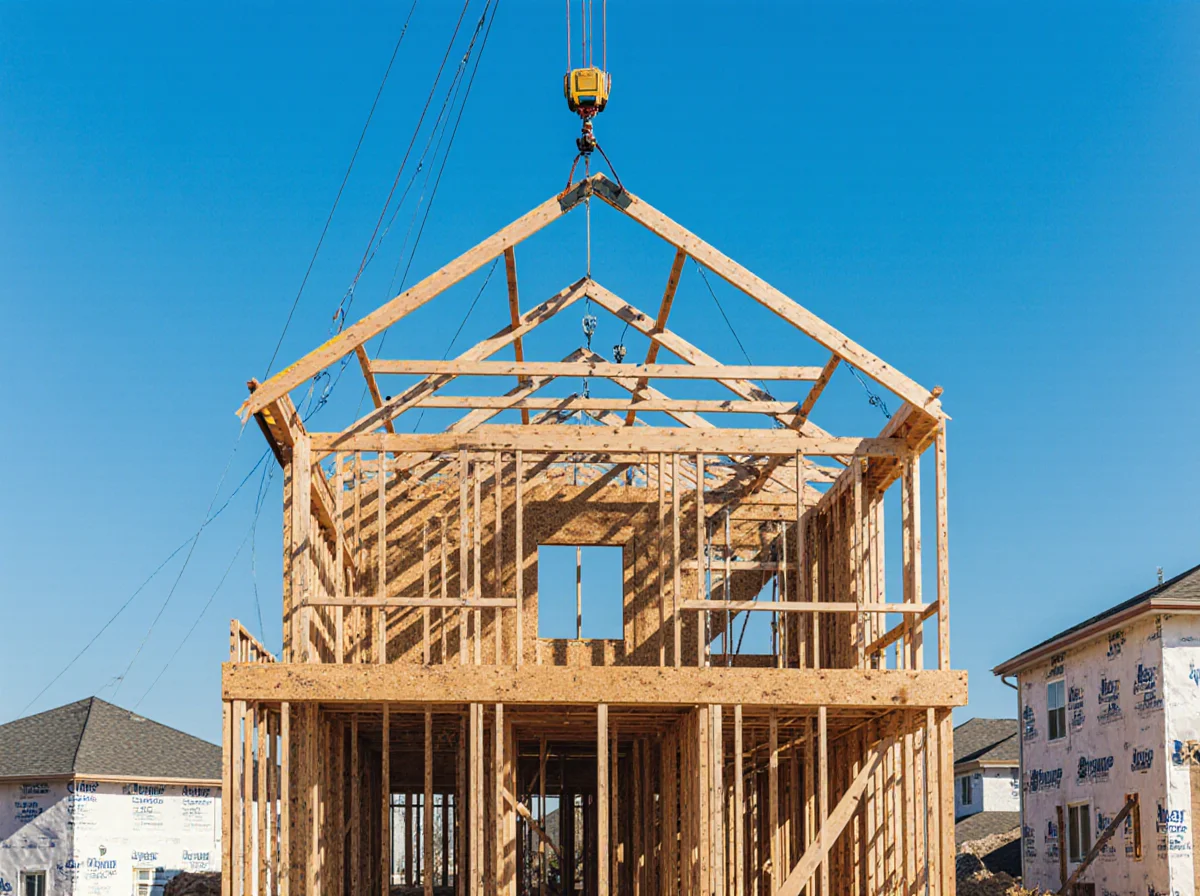
Construction typically takes 18 to 36 months from when you sign your contract. During this entire period, you do not have a mortgage. You are simply holding a purchase contract with the developer.
About 3 to 6 months before completion, your lender requires you to obtain a firm mortgage approval. This is when your financial situation matters. Your income, debts, and credit score at that moment determine whether you qualify, not what they were when you signed the contract.
Why Timing Creates Risk
The biggest challenge with pre-construction financing is that your situation can change significantly over the construction period. A buyer who signed a contract in 2021 with stable employment and strong qualification might have faced job changes, rate increases, or new debts by the time the building completed in 2023.
Interest rates are particularly problematic. When you sign your contract, you have no idea what rates will be at closing. If rates have increased substantially, your qualification amount could be lower than when you purchased.
For example, a buyer who signed for a $600,000 condo in 2021 when rates were around 2% might find that by closing in 2023, rates are 6% and they no longer qualify for the mortgage they need.
The Rate Cap Solution
Many pre-construction buyers use a rate cap to protect themselves. This is essentially an agreement with your lender or mortgage broker that caps your maximum interest rate during the construction period, regardless of what happens to market rates.
Rate caps are not free. They cost between 0.5% and 2% of your loan amount depending on the length of the construction period and the rate environment. But they provide certainty. You know exactly what rate you will pay, and you can calculate your qualification based on that rate.
If market rates at closing are lower than your cap rate, you get the lower rate. If market rates are higher, you pay the capped rate. It is essentially insurance against rate increases.
Pre-Construction Mortgage Requirements
When you apply for mortgage approval near completion, lenders treat your purchase like a new build. They require an appraisal, which confirms the property is worth what you paid. If the market has declined and the appraisal comes in low, you may need to make up the difference.
You also need mortgage default insurance if your down payment is less than 20%. The premium is calculated based on your loan-to-value ratio at closing, which means it could be higher than you budgeted for if property values have declined.
Your employment and income must be stable and verifiable. Lenders want to see that your situation has not changed since you signed the contract. Significant job changes, income reductions, or new debts can jeopardize your approval.
The Occupancy Period
Many pre-construction buyers are surprised to learn that there is often a gap between when the building is completed and when the strata is registered. During this occupancy period, you may be required to pay occupancy fees instead of a mortgage.
Occupancy fees are calculated based on the mortgage interest, property taxes, and strata fees you would pay if you owned the unit. These fees continue until the strata is registered and your title transfers, which could be weeks or months after you move in.
Budget for occupancy fees in your planning. They represent an additional cost that resale buyers do not face.
Assignment Sales
If your financial situation changes and you cannot close on your pre-construction purchase, you might consider an assignment sale. This is where you sell your purchase contract to another buyer before closing.
Assignment sales are subject to the developer’s approval and your original contract terms. Some contracts prohibit assignments entirely. Others allow them only after the developer has sold a certain percentage of units.
If you sell for more than you paid, you are responsible for capital gains tax on the profit. If you sell for less, you absorb the loss. Assignment sales can be complex and should be handled with legal and mortgage advice.
Protecting Yourself
If you are considering pre-construction, take steps to protect yourself. Work with a mortgage broker who can explain the rate cap options and help you understand what qualification might look like at closing.
Review your contract carefully. Understand what happens if you cannot close, whether you can assign the contract, and what your obligations are during the occupancy period.
Build flexibility into your budget. Assume rates could be higher at closing than they are today, and ensure you could still afford the payments even if your qualification is tighter.
At Browne Mortgage, we help Fraser Valley buyers navigate the complexities of pre-construction financing, including rate caps, occupancy costs, and completion strategies. Contact us at 604-850-5877 before you sign any pre-construction contract.