Post Author:
Categories:
Date Posted:
February 11, 2026
Share This:
Rural Properties Are Not Just Big Lots
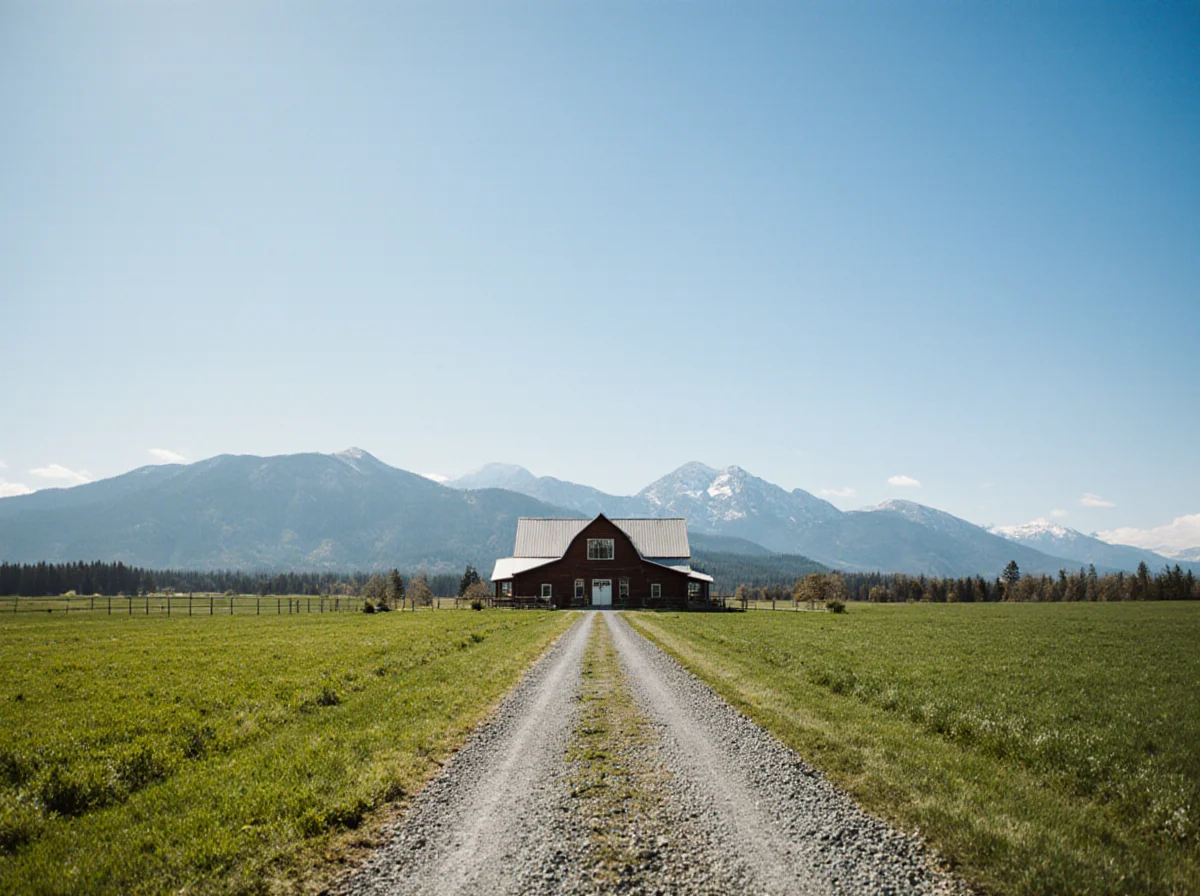
The Fraser Valley offers stunning rural properties with acreage, privacy, and space that city living cannot match. From hobby farms in Chilliwack to rural retreats in Mission, these properties appeal to buyers seeking a different lifestyle. But rural properties come with mortgage challenges that suburban buyers never face.
Financing rural and acreage properties requires specialized knowledge and lenders who understand the unique risks and valuations involved. Standard residential mortgages often do not apply, and the process can be more complex and time-consuming.
How Much Land Is Too Much
Most residential mortgage programs have maximum acreage limits. Typically, lenders will finance properties with up to 10 acres under standard residential guidelines. Properties with more land require specialized financing or different valuation approaches.
For properties over 10 acres, lenders may require a higher down payment or may only finance the residence and a limited amount of land, treating the excess acreage as non-residential. This can mean you need significantly more cash to close.
Some lenders have no maximum acreage but cap the land value they will include in the mortgage. They might finance the home plus the first $100,000 of land value, with you responsible for the rest.
Zoning and Property Use
The zoning and permitted use of a rural property affects financing significantly. Properties zoned as agricultural may face restrictions on residential financing if they are actively farmed or if the lender suspects the buyer intends to use the property for commercial agriculture.
Lenders want to know what you plan to do with the property. If you intend to run a business, board horses, or engage in any income-generating activity, the property may require commercial financing rather than a residential mortgage.
Even hobby farming can trigger concerns. If you plan to keep livestock, grow crops for sale, or operate any kind of farm stand, disclose this to your lender early. It affects both the type of financing you need and the insurance requirements.
Well and Septic Requirements
Rural properties often rely on well water and septic systems rather than municipal services. These systems must be in good working order and meet current health and safety standards.
Lenders typically require water quality testing for well water, confirming it is potable and safe. If the well fails testing, you may need to install treatment systems or drill a new well before financing is approved.
Septic systems must be inspected and certified as functional. Older systems or systems that do not meet current codes may need upgrading. Septic replacement can cost $15,000 to $30,000 or more, a significant expense that affects your overall budget.
Access and Road Maintenance
How you access the property matters for financing. Properties with private roads or easements across neighboring land face additional scrutiny. Lenders want to ensure legal access exists and that road maintenance responsibilities are clear.
If the property is on a private road, lenders may require a road maintenance agreement signed by all property owners who use the road. Without this agreement, financing can be difficult or impossible.
Properties with driveways that cross Crown land or require rights-of-way need documentation proving legal access. Your lawyer should review these arrangements during the due diligence period.
Outbuildings and Secondary Structures
Rural properties often have barns, workshops, garages, or other outbuildings. Lenders evaluate these structures differently than the main residence.
Typically, outbuildings are not included in the mortgage valuation unless they add significant value and are in good condition. A dilapidated barn might actually reduce the property’s value rather than add to it.
If outbuildings are used for commercial purposes, such as boarding horses or equipment storage for a business, this can complicate financing. The property may be considered partially commercial, requiring different loan products.
Appraisal Challenges
Rural properties are harder to appraise than standard residential properties. Comparable sales may be scarce, especially for unique properties with significant acreage or unusual features.
Appraisers must find comparable sales within a reasonable distance and timeframe. For rural properties, this might mean looking 20 or 30 kilometers away or using sales from six months to a year ago. This makes valuations less certain.
If the appraisal comes in below your purchase price, you must make up the difference with additional down payment. With rural properties, appraisal gaps are more common than in urban markets.
Insurance Considerations
Insuring rural properties is more complex and expensive than insuring urban homes. Properties far from fire hydrants or fire halls face higher premiums. Some insurers will not cover properties beyond certain distances from fire protection.
Outbuildings, farm equipment, and livestock require additional coverage beyond standard homeowner’s insurance. If you plan any agricultural activities, you need specialized farm insurance rather than standard home insurance.
Lenders require proof of adequate insurance before funding. If you cannot secure insurance at reasonable rates, your mortgage approval may be in jeopardy.
Finding the Right Lender
Not all lenders finance rural properties. Major banks may decline properties they consider too rural or too unusual. Credit unions and specialized lenders often have more flexibility for rural financing.
Working with a mortgage broker who understands rural properties is essential. The right broker knows which lenders are receptive to acreage properties and can help you navigate the additional requirements.
Be prepared for a longer closing timeline. Rural property purchases often take 60 to 90 days to close rather than the standard 30 to 45 days. The additional due diligence, inspections, and appraisal complexity extends the process.
If you are considering a rural property in the Fraser Valley, Browne Mortgage can help you understand the financing challenges and find lenders who specialize in acreage properties. Contact us at 604-850-5877.